
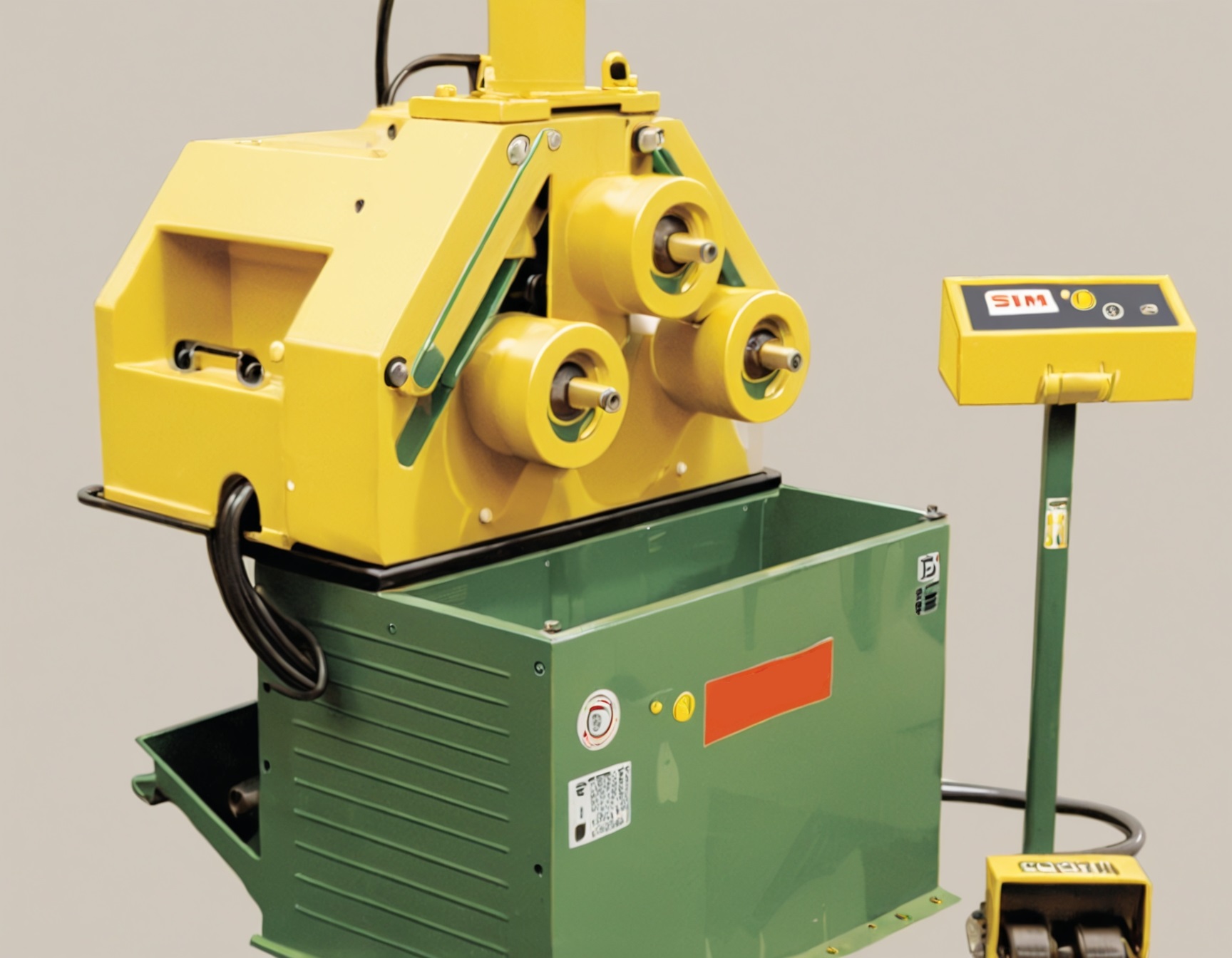
Use plate and section rolling from Hulls Engineering Australia for curved steel components in architectural and structural fabrication projects.
Modern architectural and structural projects sometimes require curved steel components that cannot be produced from straight sections alone. Plate and section rolling allows specified radii and curved profiles to be formed before the components move into the wider fabrication process.
How Does Plate and Section Rolling Support Complex Steel Geometry?
Rolling is used when project drawings call for curved plate, beams, channels, angles or other structural sections. The process should begin with the required radius, material, section size and final geometry already defined in the project documentation.
Hulls Engineering Australia provides plate and section rolling services as part of its in-house fabrication capability. Our Leongatha workshop includes a four-roller hydraulic NC plate curving machine with published capacity of 3.1 metres wide at up to 12 mm plate thickness and 1.5 metres wide at up to 24 mm, together with a section roller.
These capabilities allow curved components to be formed before subsequent cutting, welding, assembly or finishing where the fabrication scope requires them. The correct method still depends on the material, dimensions, radius and tolerances specified for the project.
What Should Be Confirmed Before Rolling Begins?
Rolling should be planned from issued drawings rather than decided after fabrication is already underway. Before requesting a quotation, confirm:
- Required geometry: Provide the target radius, arc length, overall dimensions and any straight sections or transition points shown on the drawings.
- Material and thickness: Nominate the specified steel grade, plate thickness or section size so the requirement can be assessed against our available machinery.
- Section orientation: Identify how beams, channels, angles or other profiles need to be rolled because orientation can affect the forming approach.
- Tolerances: Include the dimensional and geometric tolerances required by the project specification.
- Downstream fabrication: Confirm whether the rolled component will also require cutting, drilling, welding, coating, assembly or other processing.
- Quantity and sequencing: State the number of repeated components and required delivery sequence so fabrication can be coordinated with the wider steel package.
Our in-house machinery also supports CNC plasma cutting, guillotining, press-brake work and pipe bending, allowing rolling to be coordinated with related fabrication processes where required.
Coordinate Rolled Components with the Structural Steel Package
Curved steel should not be treated as an isolated decorative element when it forms part of structural work. Rolled components need to follow the geometry, material and connection requirements specified by the project engineer and drawings.
The Australian Steel Institute’s AS/NZS 5131 structural steelwork guidance covers fabrication and erection requirements including documentation, materials, shaping, geometrical tolerances, welding and architecturally exposed structural steelwork. Where the standard forms part of the project specification, those requirements need to be reflected in the fabrication package.
For builders and project teams, early coordination also helps identify where curved members interface with straight steel, connection plates, supports or adjoining fabricated assemblies. Our structural steel fabrication capability can support this broader coordination when rolling is one part of a larger package.
Coordinate Rolling and Fabrication from the Start
Accurate plate and section rolling starts with clear drawings, material details, dimensions, radii and tolerances. From our Leongatha workshop, Hulls Engineering Australia provides rolling alongside structural, plate and pipe fabrication.
Send us your project drawings, material specifications, dimensions, required radius and quantity for review. Request a project quote to confirm the rolling scope and any additional fabrication requirements.